

 Français
  English
 Español
 Live ranking
The full ranking.
5,046 video games face off in duels and 368,515 duels have already been settled. The ranking is recomputed with every vote: filter by genre, decade, platform or period.
15 games Reset
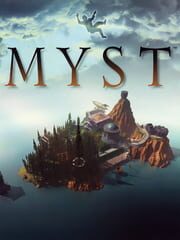
- 1 Myst 1993 · Point-and-click 1,700 +41
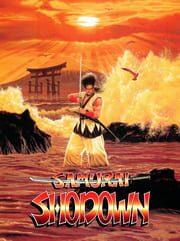
- 2 Samurai Shodown 1993 · Fighting 1,633 −144
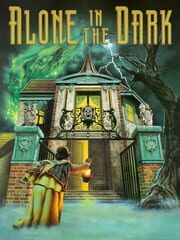
- 3 Alone in the Dark 1992 · Horror 1,538 −358
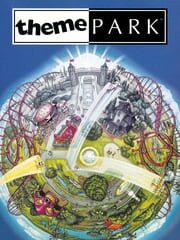
- 4 Theme Park 1994 · Strategy 1,508 −234
- 5 Super Street Fighter II Turbo 1994 · Fighting 1,507 +15
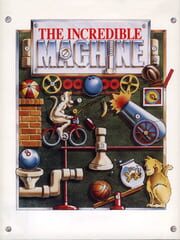
- 6 The Incredible Machine 1992 · Puzzle 1,481 +898
- 7 Road Rash 1994 · Racing 1,462 +735
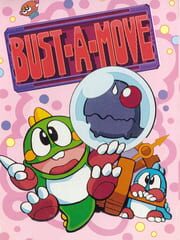
- 8 Bust-A-Move 1994 · Puzzle 1,462 −240
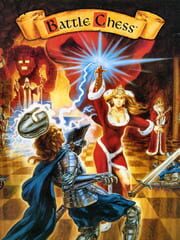
- 9 Battle Chess 1988 · Card & Board 1,453 −881
- 10 Cannon Fodder 1993 · Shoot 'em up 1,451 −1,007
- 11 The Need for Speed 1994 · Racing 1,450 +631
- 12 Gex 1995 · Platformer 1,438 +766
- 13 Flashback: The Quest for Identity 1992 · Platformer 1,420 +112
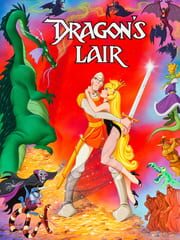
- 14 Dragon's Lair 1983 · Arcade 1,393 −307
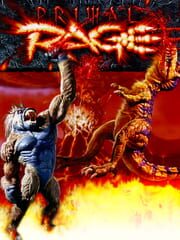
- 15 Primal Rage 1994 · Fighting 1,379 +100






Browse by genre, platform and era
FAQ
Questions about the ranking
How is this ranking established?
The ranking comes solely from player votes, in duels between two games. Each vote updates an ELO score, the rating system used in chess: every game starts at 1,500 points and its score moves duel after duel.
How often is the ranking updated?
Continuously: every duel voted immediately adjusts the score of the two games involved. The badge on the right shows how each game's rank moved over the past seven days.
How many games take part in the ranking?
5,046 games, selected for their fame, face off in duels. The full GameForever catalogue covers tens of thousands of titles, across every era and platform.
How can I see the best games by genre, decade or platform?
Use the filters at the top of the page: genre (RPG, FPS, platformer, strategy...), decade and platform (PC, PlayStation, Nintendo, Xbox, SEGA). Filters combine, and the selection is numbered from 1, from the highest ranked down; each game's world rank stays shown on its own entry. The period filter instead ranks on the points gained recently, from 7 days to 12 months (all time by default).
Why can an indie game finish ahead of a blockbuster?
The ELO score measures neither sales nor budget, but the preferences expressed in duels. An indie game that regularly wins its match-ups against higher-ranked titles climbs mechanically, owing nothing to its production budget.
What is the difference between the position in the list and the world rank?
The position is that of the selection on screen, numbered from 1 and carried on from page to page: filter on RPGs and the top RPG becomes number 1. The world rank depends on no filter and is shown on each game's own entry, along with its duel count and win rate.
Why rank by duels rather than by a score out of 10?
Absolute scores saturate: nearly every game that matters ends up between 7 and 9, and what is left of the gap often says more about a site's audience than about the games. A duel asks a question you cannot answer with "both", and it lets a 1994 game and a 2024 game be compared without correcting anything: they are not scored on two scales, they are set against each other.